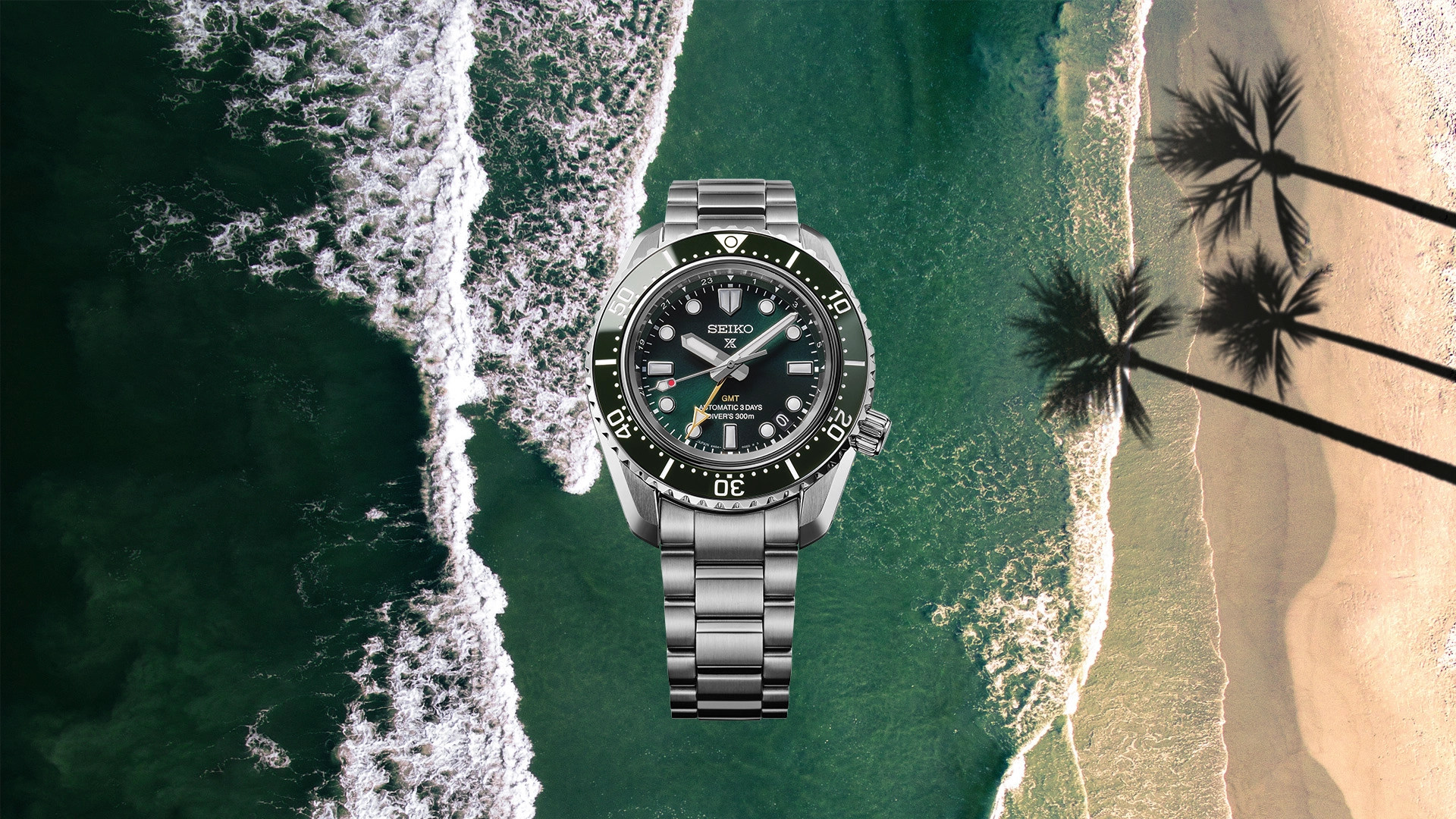

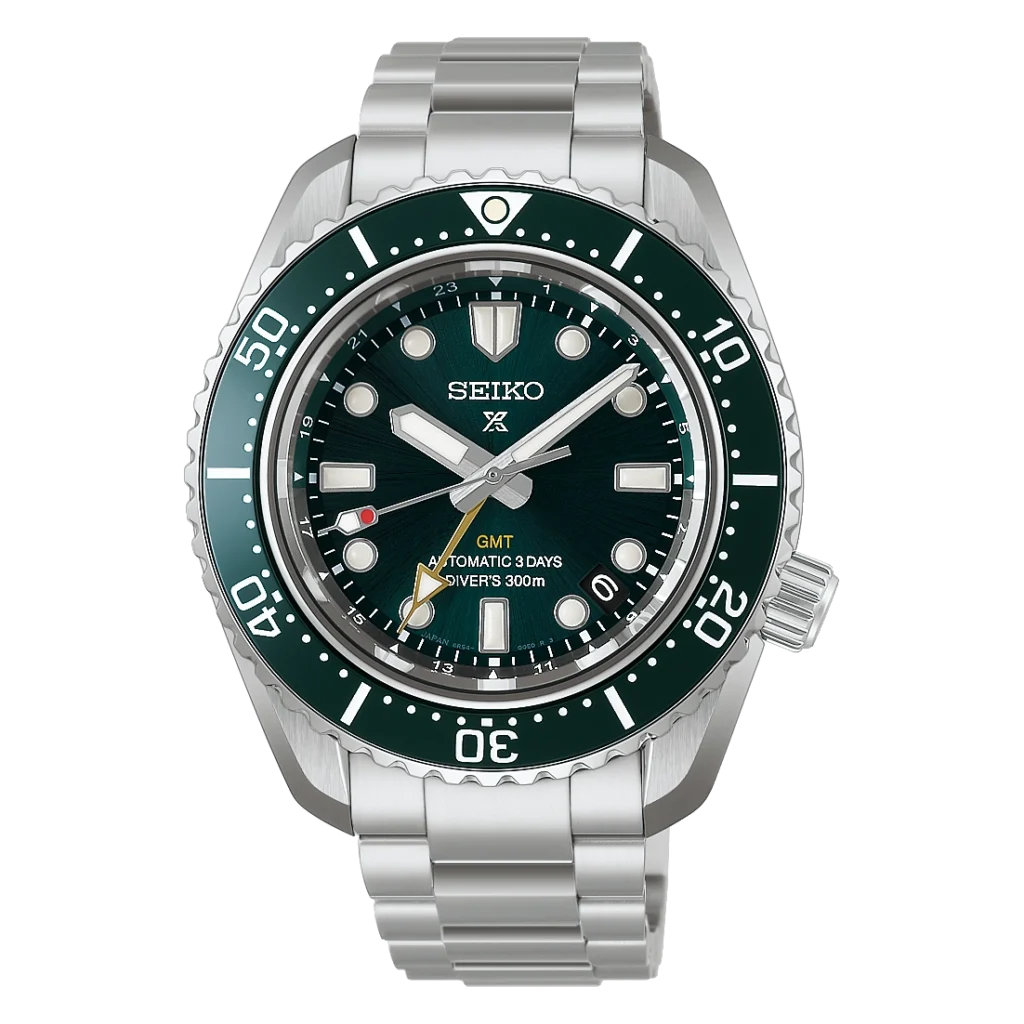
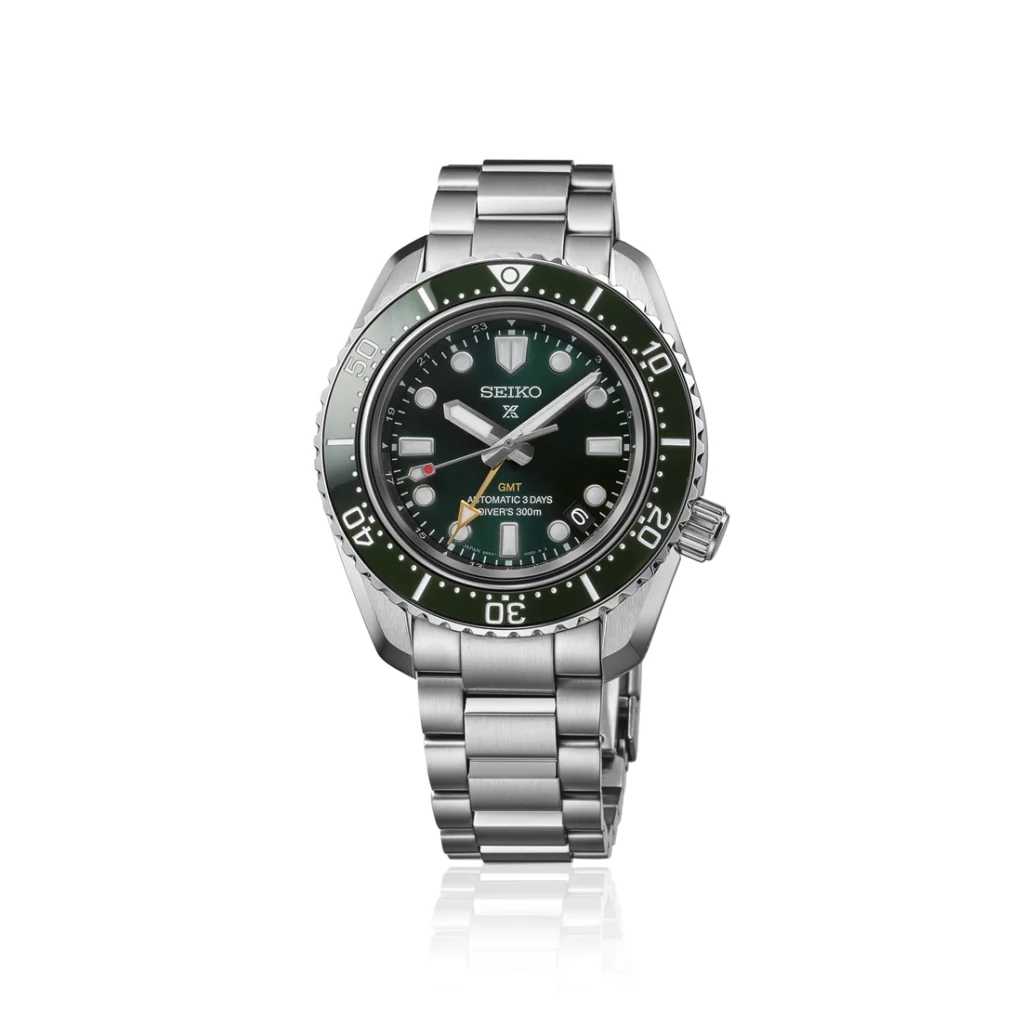
Seiko quietly updated its most beloved retro GMT diver: 300m water resistance and a 15mm micro-adjustable clasp, without changing the exterior design. The price rose to $1,700 USD—estimated at $34,000–$38,000 MXN in Mexico. The defining question for this franchise: Is it still the affordable Seiko the Hispanic community expects, or has it crossed the line into competition with Swiss watches?
The Seiko Prospex 1968 Heritage Diver’s GMT has operated for years in a very specific market niche: affordable enough for the unapologetic Japanese buyer, serious enough for those who know how to read specifications. It was the watch the Spanish-speaking community recommended when someone asked about their first GMT diver's watch. That narrative has just become harder to maintain.
At $1,700 USD, the updated Prospex 1968 GMT is still cheaper than any Swiss equivalent—but the gap has narrowed. And the question isn't just about price: it's about what exactly the reader who chooses this watch in 2026 is buying compared to its real-world alternatives. Here's the analysis.
The watch: what changed, what didn't
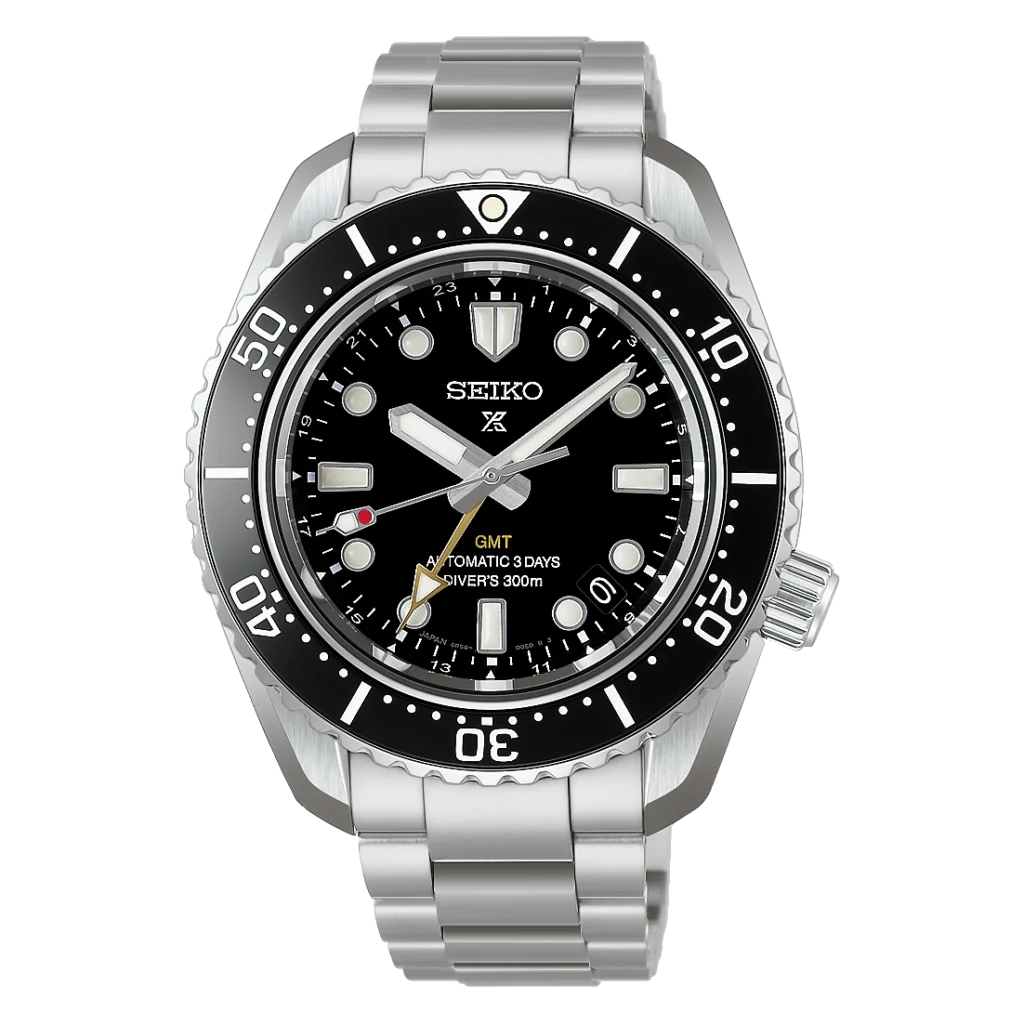
The updated ref. HBC 001 and HBC002 have two specific modifications, neither of which is immediately apparent.
The first: water resistance has been increased to 300 meters. The previous model was rated at 200m—the standard for a serious recreational diver—but 300m is the threshold that separates a diver who is "good enough for anything reasonable" from a diver who accepts professional diving under controlled conditions. In practical terms, for 99% of buyers, 200m was already sufficient. But in terms of comparative specifications—especially against Swiss divers in that price range—300m is a real selling point, not just a cosmetic one.
Secondly, the clasp incorporates micro-adjustment up to 15mm. It seems like a minor detail until you wear the watch in summer with a more swollen wrist than in winter, or until you wear it over a wetsuit. A 15mm micro-adjustment covers that range without needing to change the strap or waste time looking for the right link on the bracelet. It's an improvement that users of the previous model requested, and Seiko finally delivered it as a premium upgrade, free of charge.
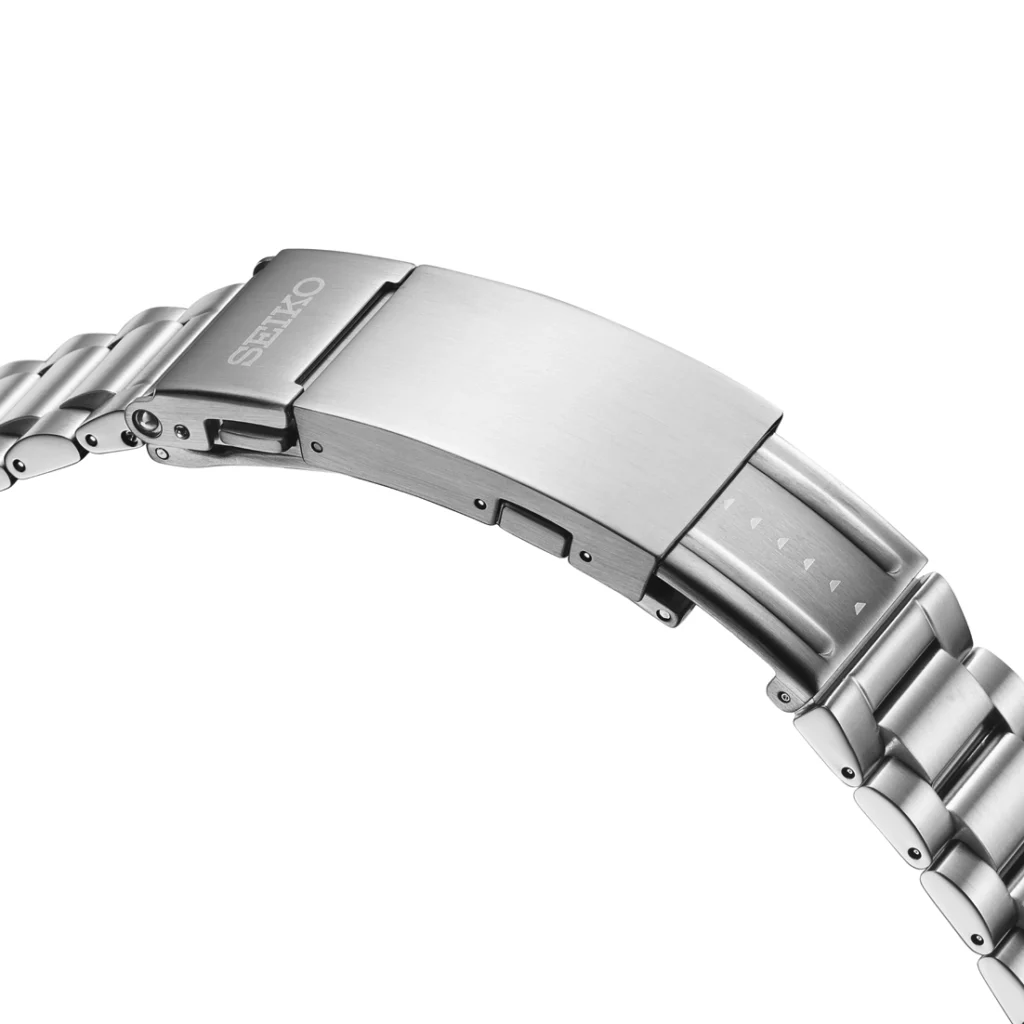
. It seems like a minor detail until you wear the watch in summer with a more swollen wrist than in winter, or until you wear it over a wetsuit. A 15mm micro-adjustment covers that range without needing to change the strap or waste time looking for the right link on the bracelet. It's an improvement that users of the previous model requested, and Seiko finally delivered it as a premium upgrade, free of charge.
The movement is Seiko's in-house automatic caliber 6R54 from the Prospex line. It has a 72-hour power reserve. The GMT function allows for a second time zone via a fourth hand and a 24-hour bezel—the standard simplified GMT scheme that allows you to change the local time while keeping the GMT fixed.
The price: from dollars to pesos, including taxes
The confirmed list price is $1,700 USD. In Mexico, that number doesn't come alone.
A reasonable estimate for the retail price at authorized Seiko retailers in Mexico: $34,000–$38,000 MXN. (This is an approximation. Calculated based on the reference exchange rate and estimated distributor margin. The exchange rate fluctuates, and prices are set by the distributor—please verify with a Seiko Mexico distributor before making any purchase decision.)
To put that number into perspective: at $17.5 MXN per dollar, $1,700 USD is equivalent to approximately $29,750 MXN before taxes. With 16% VAT, the theoretical price is approximately $34,510 MXN. The distributor margin brings the final retail price to the range of $34,000–$38,000 MXN.
Is there a cheaper alternative? The previous Prospex 1968 GMT model—without the 300m water resistance upgrade or the new clasp—is still available through secondhand channels and some distributors with remaining inventory. If the price difference is $300–$500 USD, the question is whether the 300m water resistance and micro-adjustment are worth that difference. The honest answer: For most people's actual use, probably not. For the buyer who's going to use the watch in the water, yes.
The alternatives: Where else does $1,700 fit in?
Citizen Promaster Marine Eco-Drive GMT (~$500–$700 USD). Solar-powered, quartz movement, accuracy superior to any mechanical watch. 200m water resistance. For the buyer who prioritizes pure functionality over mechanical and retro aesthetics, the Citizen does everything the Seiko does—and more—at a third of the price. It doesn't have the same object-like quality. But it performs just as well, if not better.
Seiko Prospex without GMT (~$700–$900 USD) Within the Prospex family itself, Seiko offers non-GMT divers in this price range with comparable technical specifications: 200m or 300m water resistance, in-house movements, and excellent legibility. If GMT isn't a functional requirement—if you don't regularly travel between time zones—a non-GMT Prospex at this price point offers better value for money in terms of build quality and dive specifications.
Tudor Pelagos FXD (~$4,500 USD). The opposite end of the spectrum. The Pelagos FXD is the Swiss GMT diver that defines the upper limit of what such a watch can cost before entering Rolex territory. At $4,500 USD, it's almost three times the price of the updated Seiko. In return: METAS-certified titanium, a 70-hour power reserve, certified chronometer precision, and a pure tool aesthetic. The price gap is significant enough that they aren't direct competitors—but it serves as a useful benchmark for what a buyer considering entering the Swiss segment is purchasing.
Oris Aquis GMT Relief (~$2,400–$2,600 USD). Swiss, GMT, 300m, automatic movement, more contemporary design. At ~$700 USD more than the Seiko, the Oris is the most awkward argument in this article: if the buyer can stretch their budget slightly, the Aquis GMT offers the Swiss flag and equivalent specifications.
In the $700–$2,100 USD range for GMT divers, the Seiko Prospex 1968 HBC002 competes at the high end of Japanese and the low end of Swiss. What makes it unique is the combination of a 1968 design, 300m water resistance, Japanese mechanical GMT movement, and a price below $2,000 USD.
The previous generation: Does buying the previous model lose anything?
The HBC002's update is real but surgical. If you find the previous model available at a good price, what you lose is: (1) the 300m water resistance—you get 200m, enough for any non-professional use; (2) the 15mm micro-adjustable clasp; (3) the "updated version" label on the box and papers, which might matter if you plan to resell it.
What you don't lose: the identical design, the movement from the same family, the durability, the legibility, and the watch's character. If the price difference is $300 USD or more, the previous model might be the smarter buy for the non-professional diver.
Is it worth what it costs?
The direct answer: yes, with an important caveat.
The Seiko Prospex 1968 Heritage Diver’s GMT HBC002 at $1,700 USD is the best Japanese-made GMT diver in that price range. The 300m water resistance, the in-house movement, the 1968 design with seventy years of history behind it, and the new micro-adjustable clasp are real, verifiable arguments that don't depend on the name on the dial. In terms of technical specifications per dollar spent, it remains unbeatable against Swiss equivalents.
The caveat: the "affordable Seiko" narrative no longer applies to this watch. At $34,000–$38,000 MXN in Mexico, we're talking about a significant purchase that the average shopper doesn't make twice a year. The watch competes in a segment where Oris, the lower-end Tudor, and even Prospex without GMT offer alternatives that the buyer should consider before deciding. It's no longer "choose this if you don't want to spend money on a Swiss watch"—it's "choose this because you specifically want retro Japanese design, a mechanical GMT, and 300m water resistance in a single watch."
If those three elements are on your list of requirements, this watch fulfills them better than anything else in its price range. If one of these doesn't matter, there are smarter options both above and below it in the price range.
Latin America Perspective
Seiko is officially distributed in Mexico, Colombia, Argentina, and Spain through authorized retailers. In Mexico, points of sale include specialized multi-brand stores and some department jewelry stores. The estimated price of $34,000–$38,000 MXN applies to purchases through authorized channels with an official warranty.
In Colombia and Argentina, tariff structures significantly increase the price. Buyers in these markets frequently resort to purchases in Miami or through Chrono24 with personal import clearance. The actual costs of importing to Mexico—an estimated tariff of 15–20% on the declared value, VAT, and customs handling—reduce the potential savings compared to the local channel.
The Seiko warranty in Mexico covers two years on pieces purchased from authorized retailers. The HBC002 reference, as a recent update, may have limited availability in the first few months. Confirm inventory directly with the retailer before planning your purchase.