
Two watches with the exact same diameter can look completely different on the same wrist. The difference isn't in the number the brand advertises — it's in one that almost no spec sheet explains well.
The real question
"What watch size fits my wrist?" is one of the most common questions typed into Google before a first serious watch purchase. And the answer that almost always comes up is the same chart: 38-40mm for small wrists, 40-42mm for average wrists, 42mm and up for large wrists. It's a reasonable starting point — and an incomplete one. That incomplete chart has quietly talked more than one buyer into a watch that looks wrong on their arm, even though the diameter was technically "correct."
The core explanation
Diameter measures exactly one thing: the width of the case from edge to edge, through the center. It's the number that shows up first on any spec sheet, the one everyone memorizes — and it says nothing about how the watch actually sits on a wrist. That's what lug-to-lug measures: the straight-line distance from the tip of the top lugs to the tip of the bottom lugs, taken with the watch lying flat, not following the curve of the case.
Think of it like a laptop's screen size. A listing says "15 inches," and that number tells you how big the display looks — but not whether the laptop fits in your backpack. For that you need the actual width and depth of the body. A watch's diameter is that marketing number: easy to compare, incomplete on its own. Lug-to-lug is the width and depth — the measurement that actually decides whether the watch fits the flat part of your wrist before your skin starts curving away on either side.
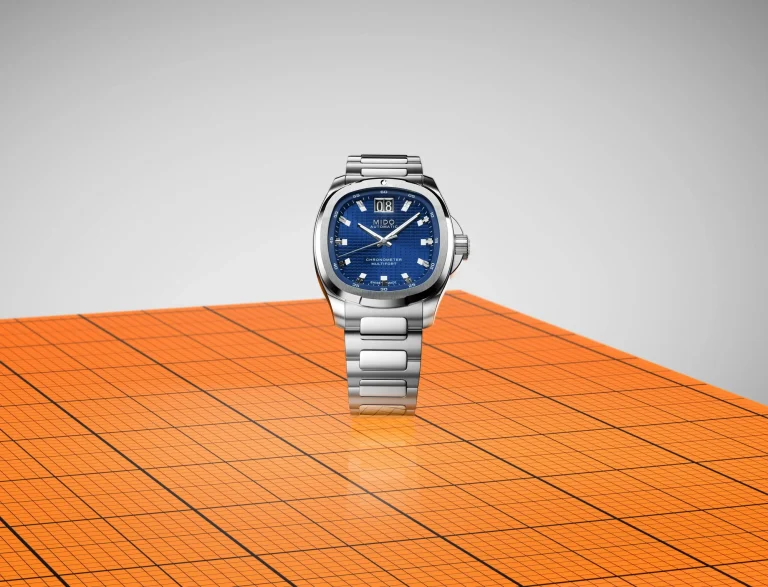
This happens because case design isn't uniform. A cushion case, an integrated bracelet, or drop lugs can stretch the lug-to-lug well past what the diameter suggests. That's why two 40mm watches can behave in completely different ways on the same wrist — and why lug-to-lug is a number that a lot of mainstream brands still don't publish as consistently as diameter: it doesn't sell as well in an ad, even though it's the one that matters once the watch is actually on your arm.

How this plays out when you buy
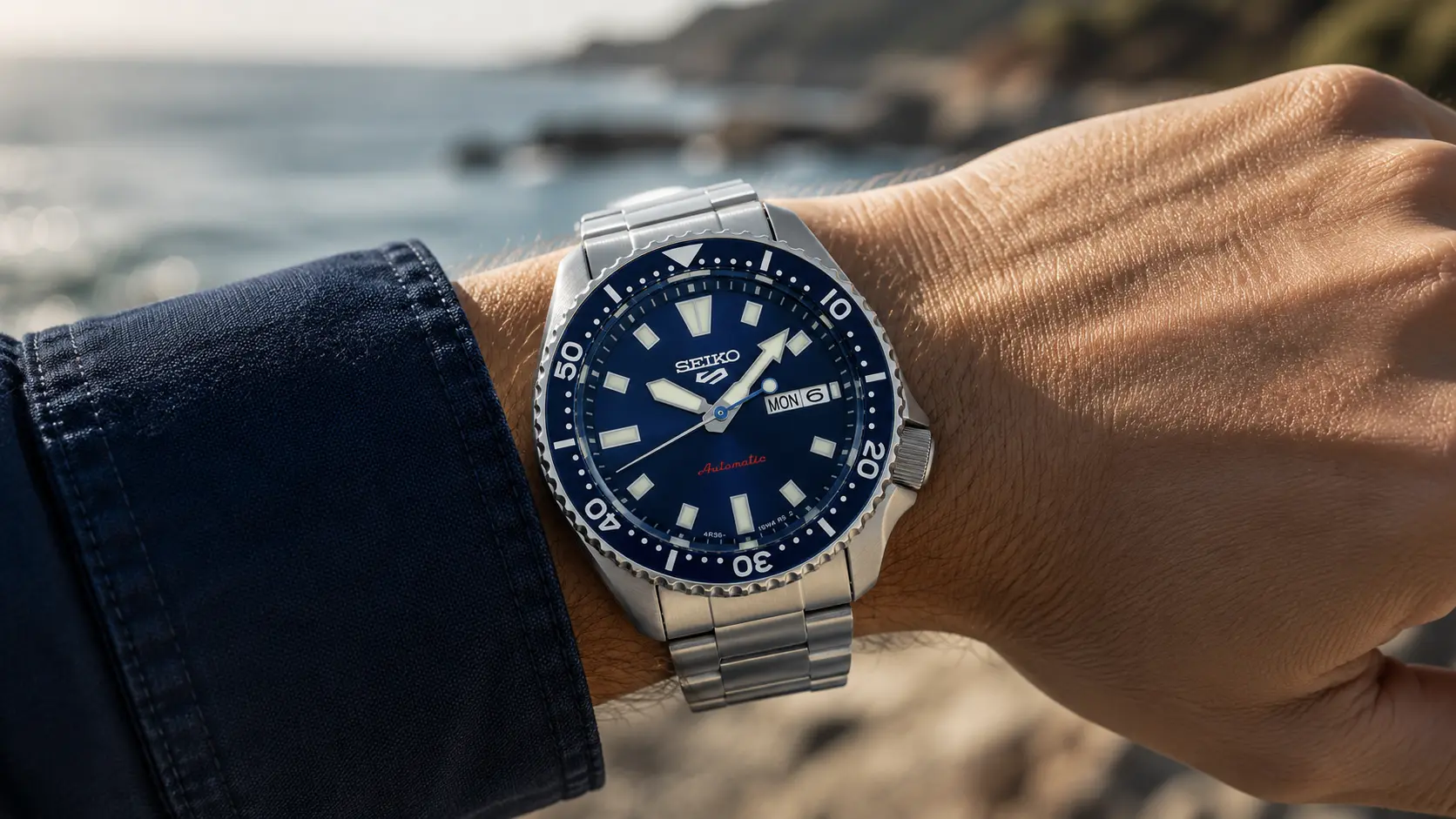
A real, LATAM-and-Spain-available example: the Seiko 5 Sports line runs 42.5-43mm cases that look large on paper, but its curved lugs tuck in close to the case, keeping lug-to-lug relatively compact — which is why it often sits better than its diameter promises, even on smaller wrists (this figure is approximate — verify it against the spec sheet for the specific reference before you decide).
The opposite case is the Orient Bambino: its 40.5mm dress case reads as "safe" on any diameter chart, but its straight, elongated lugs — typical of classic dress-watch design — push the lug-to-lug well past what that diameter implies, and on a narrow wrist the lug tips can visibly overhang the edge. Both watches have official distribution in Mexico, Colombia, Spain and Argentina, so trying them on in person before buying is genuinely an option.
The most common mistake
The most common mistake is buying on diameter alone, especially online without trying the watch on. A buyer sees "40mm, ideal for my wrist" in a generic sizing guide, buys it, and the watch arrives with lugs that noticeably hang off both sides of the wrist — or, just as often, one that looks lost and small because the lug-to-lug was shorter than expected. Diameter never lies. It just doesn't tell the whole story.
Closing with a bridge
Next time you compare specs before buying, look for lug-to-lug next to the diameter — more brands publish it now, and if it's missing, it's worth asking for it directly.