
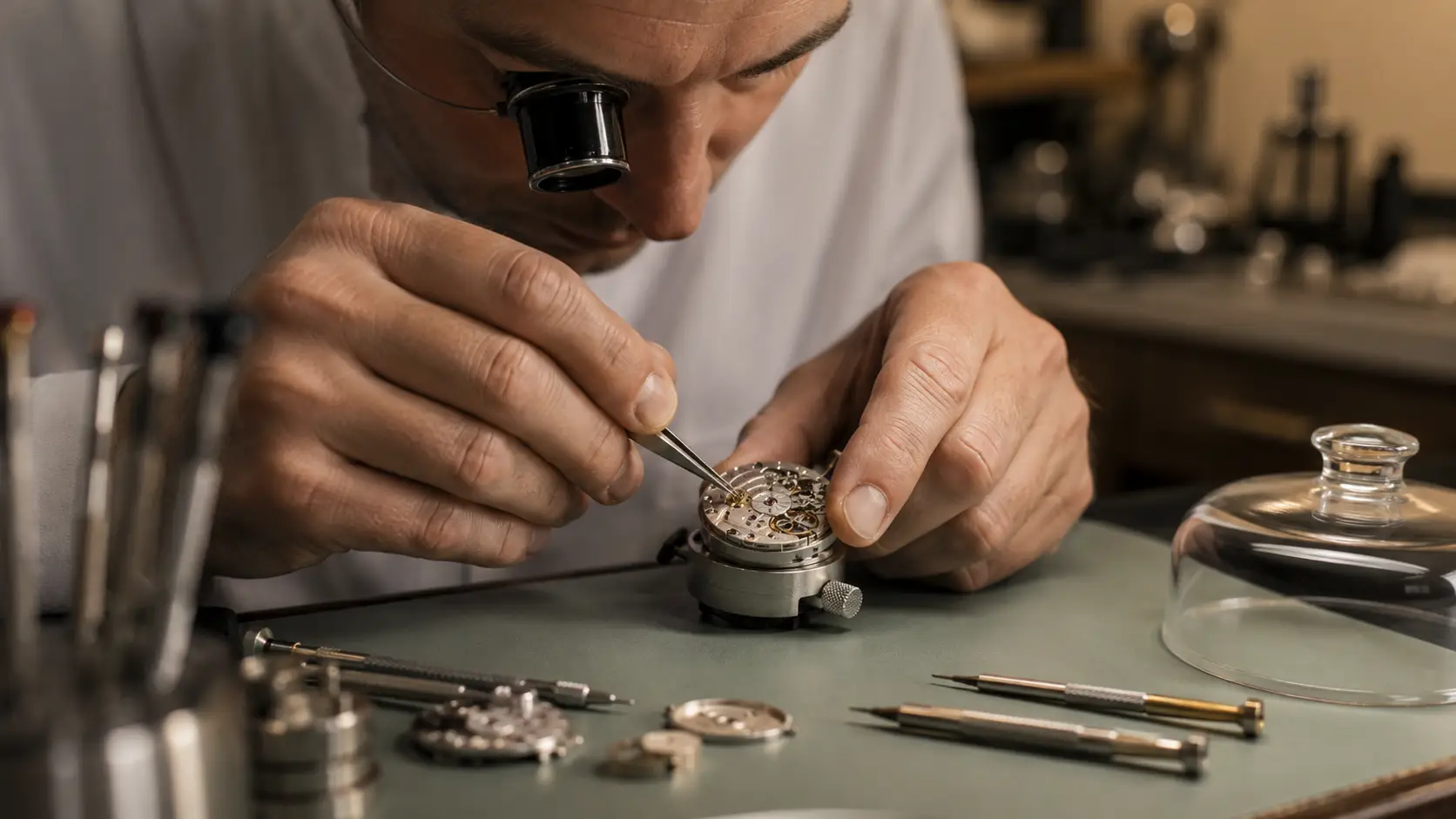

The phrase on the dial doesn't guarantee the watch was born entirely in Switzerland. It guarantees something more precise, more interesting, and considerably less absolute than most buyers assume.
Before buying a watch, most people Google something like "what does Swiss Made mean?" The usual answers talk about Swiss quality, centuries of craftsmanship, the mark that separates the best watches in the world. What they rarely explain is the actual number behind the label: how much of the watch, exactly, must be manufactured in Switzerland for a brand to print those two words on the dial. That number changes everything.
What the law says (not the marketing)
There's a Swiss federal ordinance — in force since January 1, 2017 — that defines exactly what a watch must meet to carry the designation "Swiss Made." It isn't a tradition or an industry honor code: it's law, administered by the Swiss Federal Institute of Intellectual Property.
The requirements are four, and all must be met simultaneously.
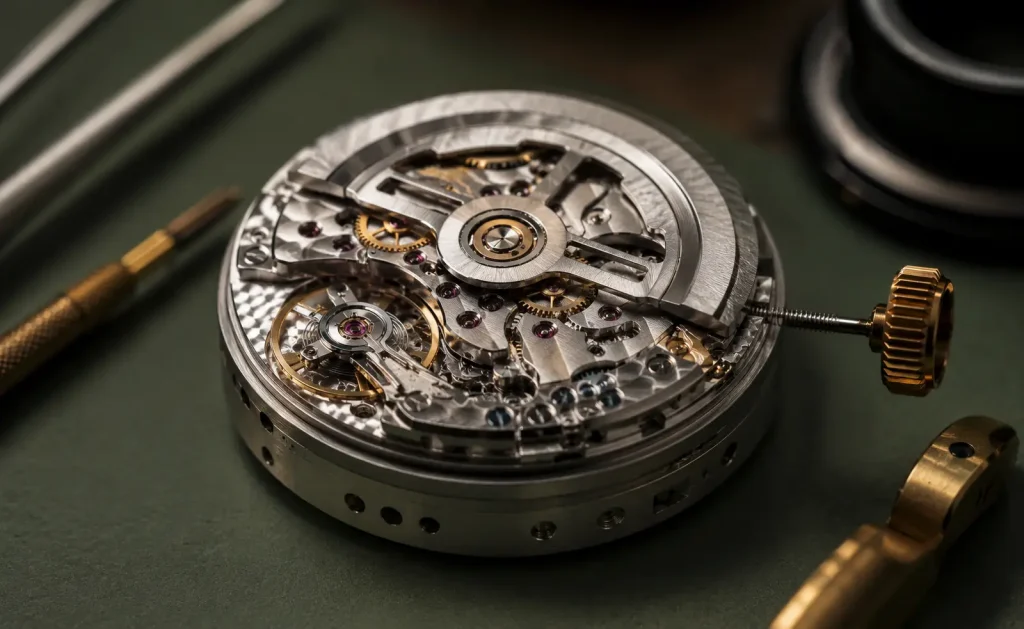
The movement must be Swiss. That means at least 60% of the movement's manufacturing costs must be generated in Switzerland, and the movement must be assembled there. The watch must be cased up — assembled in its case — on Swiss territory. The technical development of the watch and its movement must take place in Switzerland. And the most important requirement for understanding the label: at least 60% of the total manufacturing costs of the watch must be generated in Switzerland.
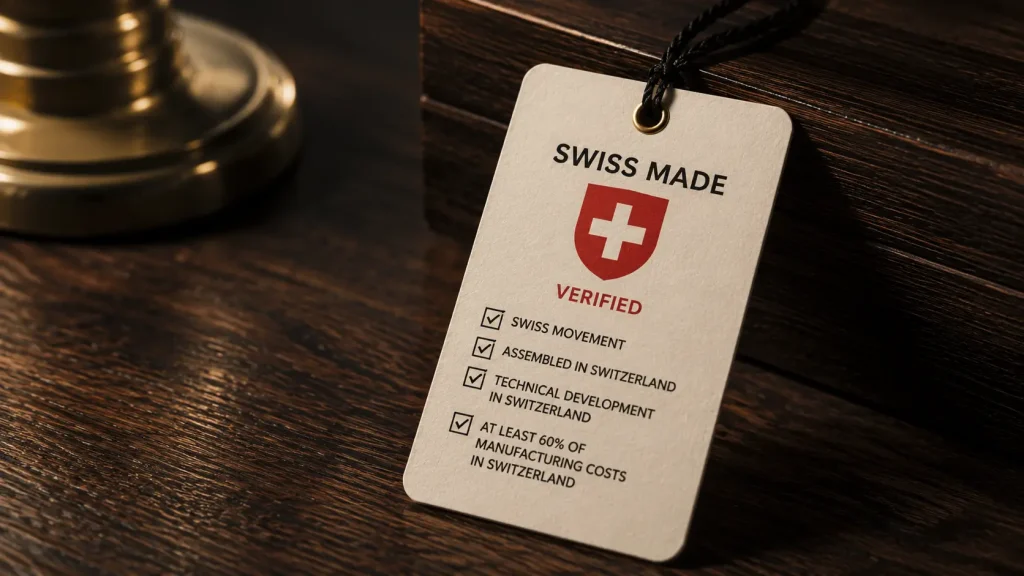
That sixty percent is the real threshold. Not one hundred. Not eighty. Sixty.
What the other 40% can include: sapphire crystals produced in other countries, leather straps tanned outside Switzerland, dials with imported components — all perfectly legal under Swiss Made, as long as the manufacturing cost calculation reaches the required threshold. The strap, incidentally, is excluded from the calculation entirely.
This 60% rule is already more demanding than the previous standard. Before the 2017 reform, the threshold was 50%. The change came after years of industry debate, because the label had lost its distinctiveness: brands with minimal Swiss manufacturing were using it just as easily as those making almost everything in the Alps. The tension hasn't gone away. In 2017, H. Moser & Cie — a Swiss manufacture that produces nearly all of its components in-house, including its own calibers — voluntarily removed the label from their watches as a protest, arguing that 60% didn't adequately distinguish those who barely clear the threshold from those who genuinely manufacture almost everything in Switzerland. The gesture was partly marketing, but the argument was legitimate.
How it applies when you buy
The label gains concrete meaning when you compare real options available in the market.
A Longines Conquest — available at El Palacio de Hierro in Mexico from $45,100 MXN (standard model, price verified July 2026) — carries Swiss Made because its automatic movement is manufactured and assembled in Switzerland, and the complete watch meets the ordinance. That translates to authorized service centers in the region, a real warranty, and stable resale value.
A Tissot PRX — available at Liverpool in Mexico from $8,690 MXN (quartz version) or $16,250 MXN (Powermatic 80 automatic, prices verified July 2026) — falls into the same category: verifiable Swiss Made and a regional service network.
The most revealing contrast: Venezianico, an Italian brand we recently reviewed, like other independent brands, incorporates movements manufactured by Swiss suppliers such as ETA or Sellita in several of its models. However, its watches don't carry the "Swiss Made" label because the assembly and technical development don't take place in Switzerland. This doesn't make them inferior in terms of movement quality; the component may be identical to what you'd find in certain Swiss watches, but it perfectly illustrates where the line is drawn: the label certifies the origin of the entire process, not just the components.
The most common mistake
Assuming that "Swiss Made" is synonymous with "manufactured entirely in Switzerland." It isn't. It's a legal manufacturing threshold, not an absolute guarantee of origin. A buyer who pays a significant premium for the label thinking they're getting a 100% Swiss watch is purchasing something real and regulated — but not quite what they imagine. Understanding that difference doesn't diminish the label's value. It calibrates it. It lets you use it for what it actually is: a reliable indicator of predominantly Swiss manufacturing, without asking it to be something it never promised to be.
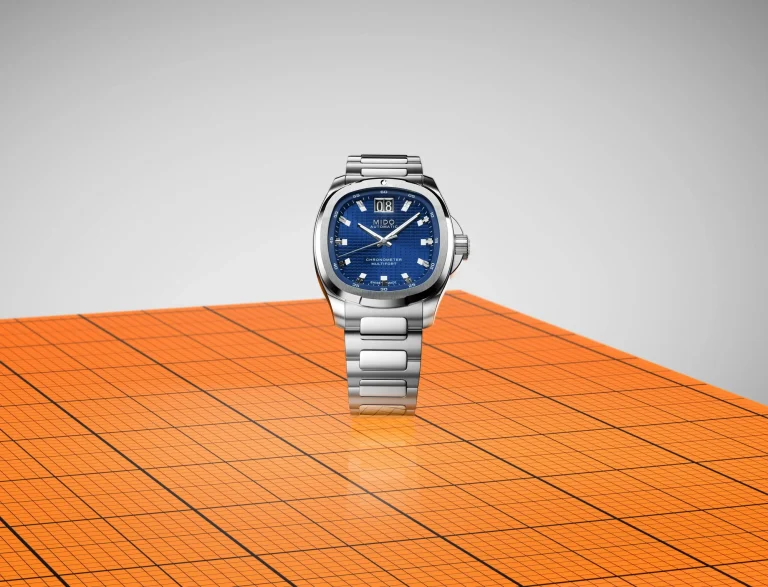
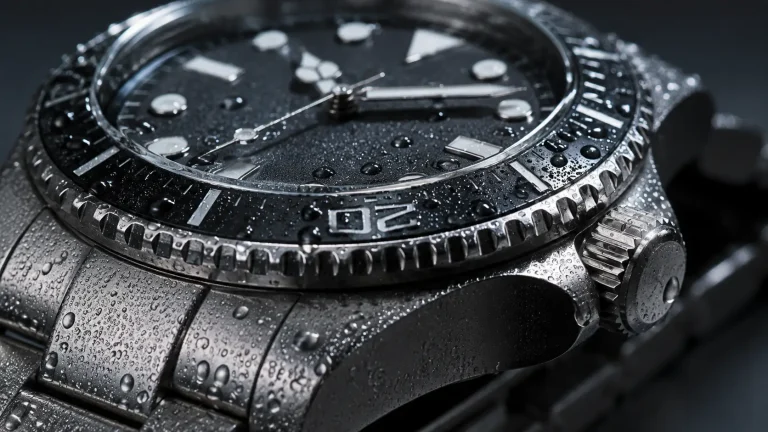
[…] La resistencia al agua que aparece grabada en la esfera o en la tapa de un reloj no es una promesa absoluta, sino el resultado de pruebas realizadas en condiciones de laboratorio. Saber interpretar esa cifra es tan importante como entender qué significa realmente la inscripción “Swiss Made”: ambas comunican información valiosa, pero también tienen límites que conviene conocer antes de dar algo por hecho. Si quieres profundizar en ese tema, te recomendamos leer Qué significa que un reloj sea “Swiss Made” de verdad. […]
[…] Entre un movimiento de catálogo rebautizado y la manufactura que produce todo bajo su propio techo hay varios escalones. Yema ocupa un puesto intermedio: diseña el calibre, maquina las piezas estructurales, compra el resto a talleres de la zona del Jura y ensambla en Morteau. Por debajo de dos mil dólares, la mayoría de los buceadores mecánicos siguen montando bases suizas de catálogo, y quien quiera entender qué separa unas etiquetas de otras puede empezar por qué significa que un reloj sea «Swiss Made» de verdad. […]
[…] relojes se fabrican en Suiza con la denominación Swiss Made, cuyos requisitos explicó ORELO en un artículo anterior. Dentro del catálogo, el proyecto Archivio Uno recupera piezas históricas de la casa, entre ellas […]